Basement Flooding in Converse: Fix It Fast
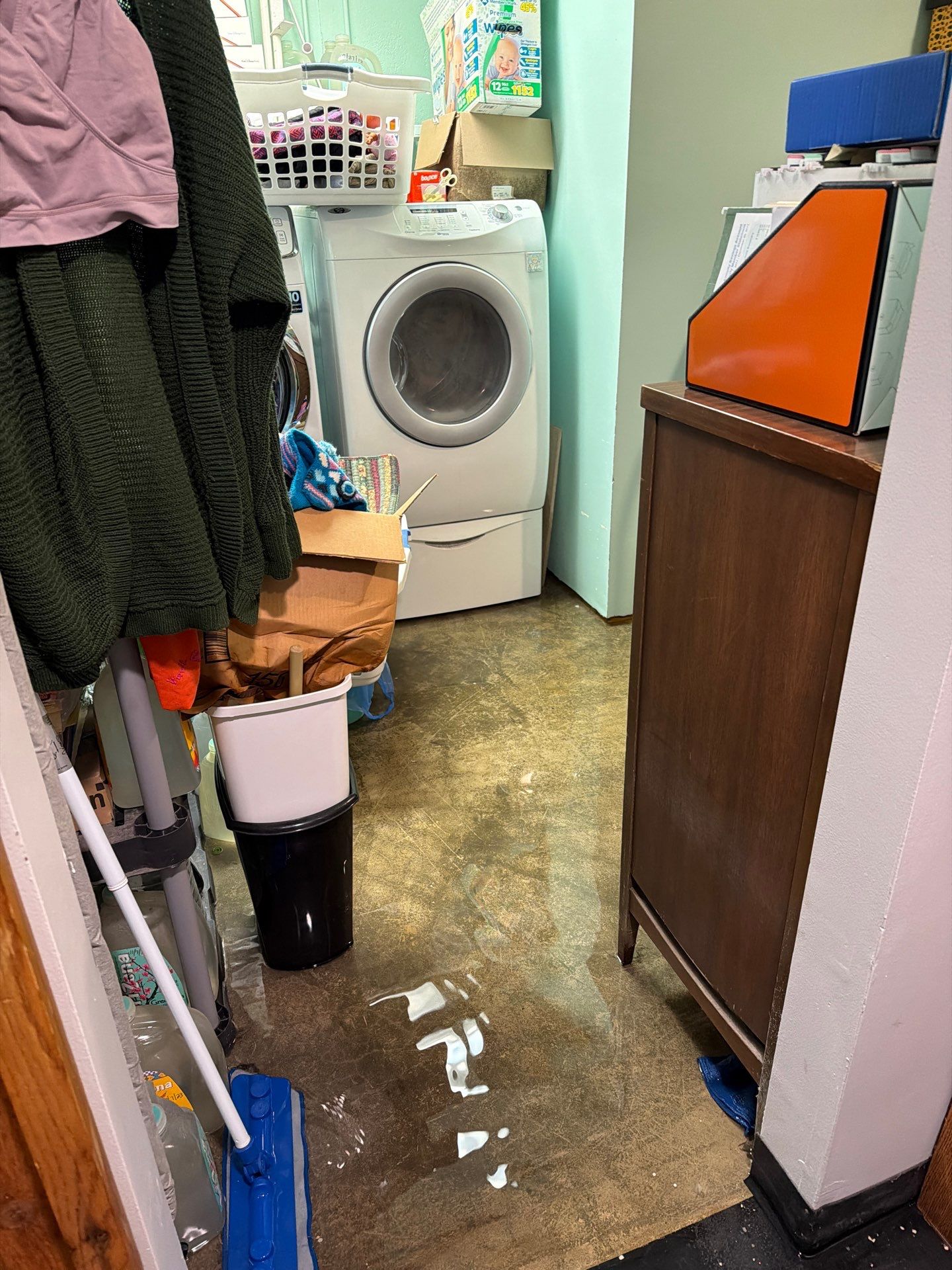
Walking down the stairs and hearing that wet squish under your shoe is a moment no homeowner in Converse forgets. Whether the water is an inch deep or knee high, your brain jumps to ten questions at once. Is the power safe? Is this sewage or rainwater? Will insurance cover it? How much is this going to cost? At Converse Water Restoration, we have been answering those questions for Converse families since 2018, and we know the panic is worse when you do not have a clear plan.
This guide is built around the real problems a flooded basement creates, one at a time, with the professional solution for each. We follow IICRC S500 standards, we are BBB A+ accredited, and if the situation does not actually need restoration, we will tell you directly. No upsells, no scare tactics. Just the next right step. Use the sections below to match what you are seeing in your basement right now to the fix that actually works, so you can stop water from spreading, protect your structure, and get your home back to normal before mold gets a 48 hour head start.
The First Hour: What To Do Before Anyone Arrives
Your first move is safety, not salvage. If water has reached outlets, the furnace, or the electrical panel, do not wade in. Cut power to the basement from the main panel upstairs if you can do so safely, and if you cannot reach the panel without stepping in water, call your utility and step back. Every year we meet Converse homeowners who tried to grab one box of keepsakes and ended up in the emergency room instead. No photo album is worth that. Once power is off, identify the source if it is obvious. A burst supply line under a laundry sink can be shut off at the local valve or at the main near the water meter. A failed sump pump or a backed up sewer line cannot be stopped by you, and that is fine. Document everything with your phone before you move a single item. Wide shots of the room, close ups of the waterline on the drywall, photos of soaked furniture and the serial numbers on appliances. Insurance adjusters reward homeowners who can prove the loss, and our team uses those same photos later when we write the scope for your claim.
After documentation, start moving what you can to dry ground. Lift area rugs off hardwood landings, get cardboard boxes off concrete, and pull electronics from low shelves. Do not run a household shop vac on more than an inch or two of water, and never touch anything that smells like sewage. If the water looks gray, brown, or carries any odor, treat it as contaminated and wait for professionals. The Category 3 classification for sewage backups exists because that water carries bacteria, viruses, and chemicals that ordinary cleaning cannot neutralize. We see homeowners try to mop it up themselves and end up with a mold remediation bill on top of the original loss.
While you are waiting for our truck to arrive, a few small actions can reduce the eventual scope of work. Open basement windows if the outside air is drier than the inside, which is often the case in Converse during fall and winter but rarely in July humidity. Pull books and paper goods off lower shelves first because cellulose wicks water faster than almost anything else in a home. If you have access to box fans and the electrical situation is safe, point them at wet walls rather than at the floor, since walls dry slower and trap moisture behind baseboards. Keep pets and small children out of the affected space entirely, because contaminated water and slick surfaces are a hazard combination we see lead to injuries more often than people realize.
Making the Call Tonight
If the water is clean, shallow, and confined to bare concrete, get a wet vac and a dehumidifier and watch it carefully for 72 hours. If any of those conditions are not met, or you are not sure, call Converse Water Restoration. We will give you a straight assessment, document everything for your carrier, and dry your Converse basement to a verified standard. If we cannot help, we will tell you directly and point you to who can.
What It Costs and What Insurance Usually Covers
Homeowners always ask about price first, and we respect that. Professional basement flooding cleanup in Central Indiana generally runs between 2,500 and 8,500 dollars for clean water events, and 4,000 to 15,000 dollars or more when sewage, finished walls, or structural drying of subfloor are involved. The variation comes from square footage, water category, how much demolition is required, and whether contents need cleaning or disposal. A sudden and accidental discharge, like a burst pipe, is almost always covered by standard homeowners policies, though sump pump failure and sewer backup usually require specific endorsements you may or may not have. We walk through the claim process in plain language in our guide to filing a water damage insurance claim, and our office staff will sit with you on three way calls with your adjuster if that helps. We bill insurance directly when policy allows, and we will tell you before we start whether your situation is likely a covered loss or an out of pocket repair. That honesty is why Converse Water Restoration carries an A plus rating with the Better Business Bureau and why we are IICRC certified rather than just advertising the letters.
One last thing worth saying. After the drying is done and the equipment is hauled out, the smartest Converse homeowners ask us what to change so this does not happen again. Sometimes the answer is a battery backup sump pump, sometimes it is a backwater valve on the sewer line, sometimes it is regrading soil away from the foundation or extending downspouts another six feet. We will tell you honestly, even when the recommendation is not work we perform ourselves, because a customer who never floods again is a customer who refers their neighbors.
Why Professional Cleanup Is Different From Wet Vacuuming
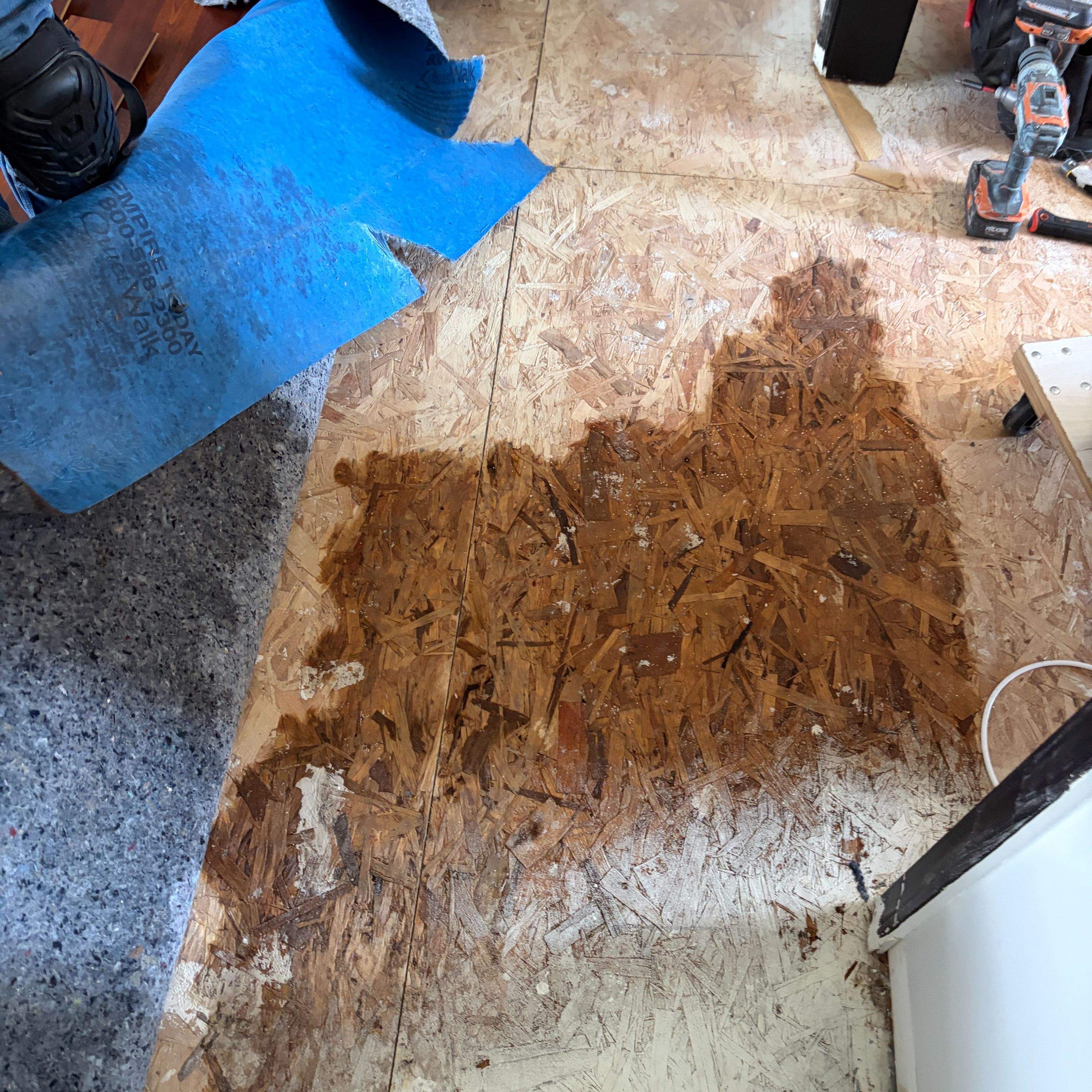
A lot of Converse homeowners assume basement flooding is a mop and fan problem. For a clean spill caught in the first thirty minutes, sometimes it is. For anything larger or older than that, you are racing two clocks at once. The first clock is structural. Drywall, baseboards, subfloor, and insulation absorb water at different rates, and a finished basement with carpet over pad over concrete can hold three to five gallons per hundred square feet that no vacuum will ever pull out. The second clock is biological. Mold colonies can establish in twenty four to forty eight hours under the right conditions, which is exactly what a damp basement provides. We cover this timing in detail in our piece on the 24 to 48 hour mold window, and it is the single most important reason to call quickly rather than wait until morning.
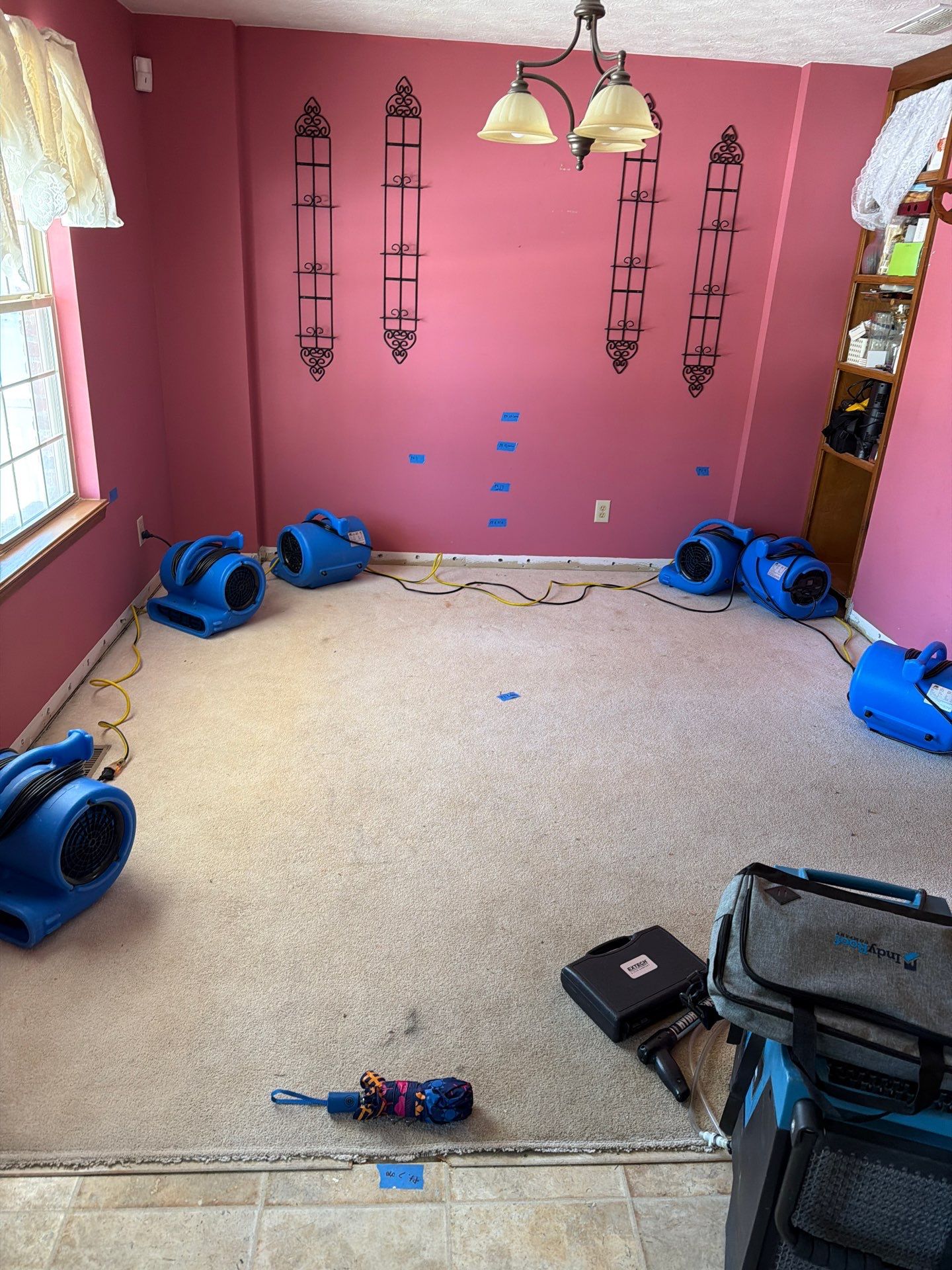
When our crew arrives in Converse, the process follows IICRC S500 standards from the first minute. We meter the moisture in the walls and subfloor with pinless and pin meters so we know what is actually wet, not just what looks wet. We classify the water by category, one for clean supply line breaks, two for appliance discharge or seepage, three for sewage and groundwater. That classification determines whether materials can be dried in place or must be removed. We extract standing water with truck mounted units that pull hundreds of gallons per hour, then set commercial air movers and low grain refrigerant dehumidifiers sized to the cubic footage of the space. A typical 800 square foot Converse basement might need eight to twelve air movers and two dehumidifiers running for three to five days, with daily moisture readings logged for your insurance adjuster.
The drying equipment matters more than most homeowners expect. A rental dehumidifier from the hardware store pulls maybe twenty to thirty pints of water per day in basement conditions, while the LGR units we deploy can pull a hundred and thirty pints or more under the same conditions. That difference is not marketing, it is the gap between a basement that dries in four days and one that quietly stays damp behind the drywall for three weeks. We also use antimicrobial applications on framing and concrete where the category of water warrants it, and we perform controlled demolition only where it is necessary, flood cuts at twelve or twenty four inches rather than tearing out an entire wall when the upper drywall reads dry. Saving material saves you money, and that judgment comes from experience rather than from a checklist.
Frequently Asked Questions
How quickly can Converse Water Restoration arrive in Converse for a flooded basement?
Converse Water Restoration typically reaches Converse homes within 60 to 90 minutes of your call for true emergencies, 24 hours a day. We dispatch IICRC certified techs with extraction equipment ready to start work on arrival.
Do I need to move my belongings out before you arrive?
No. Move what you can safely lift to a dry area, but leave the rest for our crew. We document everything for insurance and handle content pack-out as part of the mitigation scope when needed.
What if the water already dried up on its own?
Surface drying does not mean structural drying. Drywall, framing, and concrete can hold moisture for weeks. Have Converse Water Restoration run moisture meters before assuming you are in the clear, especially in older Converse basements.
Will my carpet and pad need to be replaced?
Carpet pad almost always goes after any significant flood. Carpet itself can sometimes be cleaned and reinstalled if the water was Category 1 and caught quickly. Category 2 or 3 water means full replacement for health reasons.
Does Converse Water Restoration work directly with insurance adjusters?
Yes. We document moisture readings, photos, and scope daily, then communicate directly with your adjuster on most claims in Converse. You stay informed without having to translate restoration jargon yourself.
Have a restoration question?
Our IICRC certified Converse crew is ready to help. Free assessments, written scopes, no pressure.